Processed Foods vs Whole Foods: A Clear Comparison
Processed foods vs whole foods represent two very different ends of the food spectrum in today’s grocery landscape. Whole foods are items in their natural or minimally altered state—think fresh fruits, vegetables, whole grains, nuts, eggs, and fresh meats—while processed foods undergo varying levels of industrial transformation, from simple additions like salt or oil to complex formulations with multiple added ingredients. This distinction, often framed through the NOVA classification system, highlights how much of what fills modern supermarket shelves leans toward processed options. Processed foods vs whole foods isn’t just about appearance; it’s about how production, packaging, and supply chains shape what’s available and affordable for everyday consumers.
In many stores, the contrast is striking: fresh produce sections occupy limited space compared to endless aisles of packaged goods. Processed foods vs whole foods becomes evident when you walk through a typical grocery store, where convenience items dominate due to their long shelf life and ease of distribution.
Understanding Whole Foods
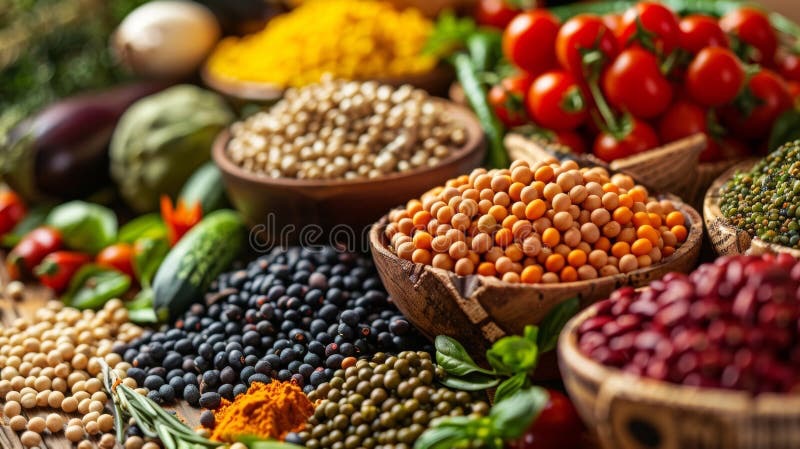
Whole foods, often referred to as unprocessed or minimally processed in classification systems like NOVA Group 1, are foods that remain close to their natural form with little to no industrial intervention. These include fresh apples, oranges, carrots, broccoli, leafy greens, berries, potatoes, whole grains such as brown rice, oats, quinoa, barley, and corn kernels, as well as fresh or frozen meats, poultry, fish, eggs, milk straight from the source, unsalted nuts and seeds, dried fruits without added sugars, and legumes like lentils, chickpeas, and beans. The key characteristic is that these items undergo only basic processes—such as washing, cutting, freezing, or grinding—to make them safe and convenient for storage or use, without adding extra substances like oils, sugars, salts, or chemical additives.
For example, a fresh carrot pulled from the ground might be washed and trimmed before reaching the store shelf, but it retains its original structure and composition. Similarly, whole oats are simply hulled and cleaned, ready for cooking into porridge or baking. Eggs in their shells, fresh fish fillets, and raw nuts exemplify this category because they require no further formulation. These foods are typically perishable or have shorter shelf lives, which influences how they’re stocked and priced in retail environments. Farmers’ markets, local produce stands, and dedicated organic sections often highlight whole foods, emphasizing their direct connection to natural sources.
In contrast to processed alternatives, whole foods encourage home preparation—whether it’s chopping vegetables for a salad, boiling grains for a side dish, or grilling fresh protein. This approach gives consumers more control over what goes into meals, relying on basic cooking methods rather than pre-made assemblies. While availability can vary by region, season, or store type, whole foods form the foundation of traditional diets worldwide, where meals are built from scratch using recognizable ingredients.
The Dominance of Processed Foods
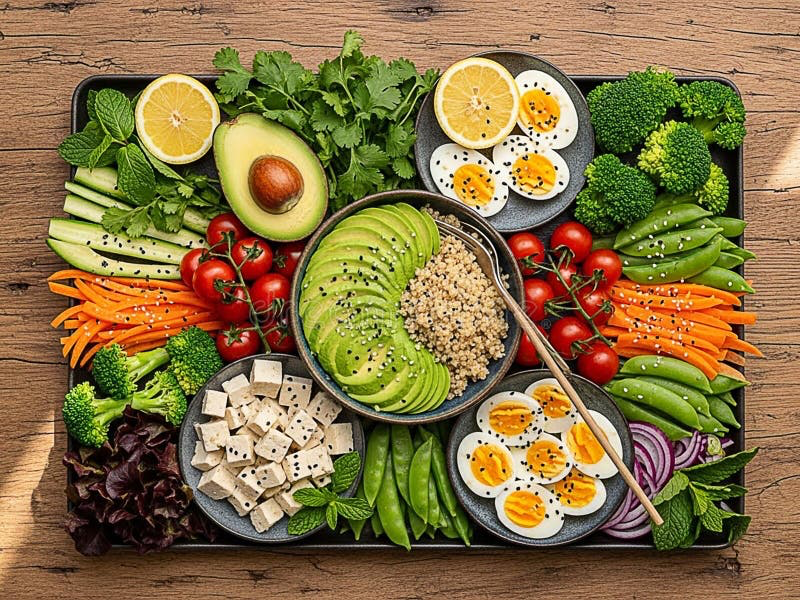
Processed foods, encompassing NOVA Groups 3 and especially Group 4 (ultra-processed), involve more extensive changes through industrial methods. Group 3 processed foods include items like canned vegetables in brine, cheeses, freshly baked breads, canned fish, salted nuts, or fruits in light syrup—created by adding culinary ingredients (like salt, oil, or sugar) primarily for preservation or basic flavor enhancement. These are still relatively simple and recognizable as modified versions of whole foods.
However, ultra-processed foods (Group 4) take this further: they are formulations made mostly from extracted substances, with numerous added ingredients—including emulsifiers, flavors, colors, and preservatives not commonly found in home kitchens. Examples abound in everyday shopping: sodas and sweetened beverages, packaged chips and crackers, frozen pizzas and ready-to-eat meals, sugary breakfast cereals, mass-produced breads and pastries, instant noodles or soups, pre-packaged lunch kits, flavored yogurts, confectionery, and many fast-food style items. These products are engineered for convenience, with bright packaging, long shelf stability, and ready-to-consume formats that require minimal or no preparation.
Processed foods vs whole foods is particularly visible in supermarket layouts, where ultra-processed items often claim the majority of shelf space. Factors driving this include lower production costs from large-scale manufacturing, use of inexpensive base ingredients (often from subsidized crops), extended shelf life through packaging and preservatives, heavy marketing efforts, and strong appeal for busy lifestyles. Retailers prioritize these items because they generate higher turnover and profit margins compared to perishable whole foods, which demand frequent restocking and careful handling.
In low-access areas, convenience stores, schools, and food assistance programs, processed foods frequently dominate due to logistics and economics—making them more readily available than fresh options that may spoil quickly or cost more to transport. This shift has made processed foods a staple in many households, often filling carts because they’re affordable, familiar, and easy to store. The result is a food environment where processed foods vs whole foods tilts heavily toward the former, limiting easy access to minimally altered choices for many consumers.
Our work focuses on countering this imbalance by delivering boxes of fresh, non-processed whole foods directly to families and communities where access gaps are widest—helping bring more whole options into reach.
Donate today to support expanding these deliveries andbridging the divide in everyday food availability.