Is It Okay to Eat Processed Foods?
Everyday Examples to Consider
Is it okay to eat processed foods? This question comes up often when navigating supermarket aisles filled with convenient options that dominate daily shopping carts. Processed foods—particularly ultra-processed ones in NOVA Group 4—include many everyday items designed for quick consumption, long storage, and broad appeal. While some processed foods appear in simpler forms (like Group 3 items with basic additions), the ultra-processed category stands out for its industrial formulations and widespread presence. Is it okay to eat processed foods in moderation? Many people do, but recognizing common examples helps understand their role in modern diets and why they often overshadow whole food choices.
These items are engineered for convenience, making them staples in busy households, but their prevalence can make it challenging to prioritize minimally processed alternatives. Is it okay to eat processed foods regularly? The answer depends on individual circumstances, supply chains, and access, but awareness of what’s commonly available is key.
Common Breakfast and Snack Items
Breakfast and snack aisles showcase some of the most frequent ultra-processed foods encountered daily. Sugary breakfast cereals top the list, with colorful boxes featuring added flavors, colors, and preservatives for extended shelf life and kid-friendly appeal—often made from refined grains extruded into shapes like loops or flakes. Packaged granola bars and energy bars follow closely, combining oats or grains with binders, sweeteners, and coatings that turn simple ingredients into portable, ready-to-eat products.
Mass-produced breads and pastries, including sliced white or flavored loaves, muffins, and donuts from supermarket bakeries or branded lines, qualify as ultra-processed due to emulsifiers, dough conditioners, and preservatives that allow them to stay soft for weeks. Instant oatmeal packets with added sugars, dried fruits, and flavorings represent another everyday staple, transforming plain oats into flavored, microwave-ready portions.
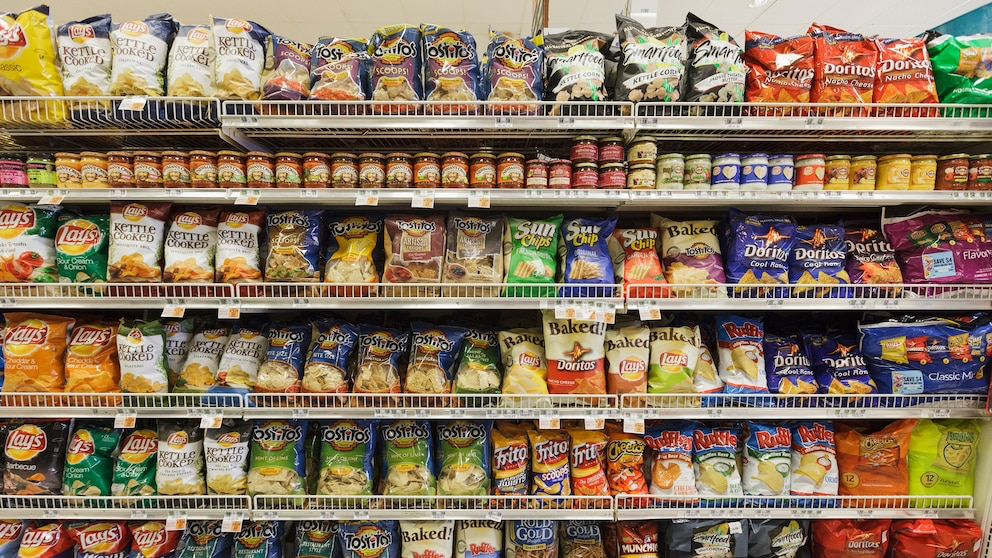
In the snack category, potato chips, tortilla chips, pretzels, and crackers fill entire sections—fried or baked with seasonings, oils, and flavor enhancers for that addictive crunch. Packaged cookies, biscuits, and sweet baked goods like brownies or snack cakes come in individual wrappers or family packs, loaded with multiple industrial ingredients. Flavored yogurts in cups, often marketed as “fruit” or “dessert” styles, include thickeners, stabilizers, and added sugars beyond plain versions.
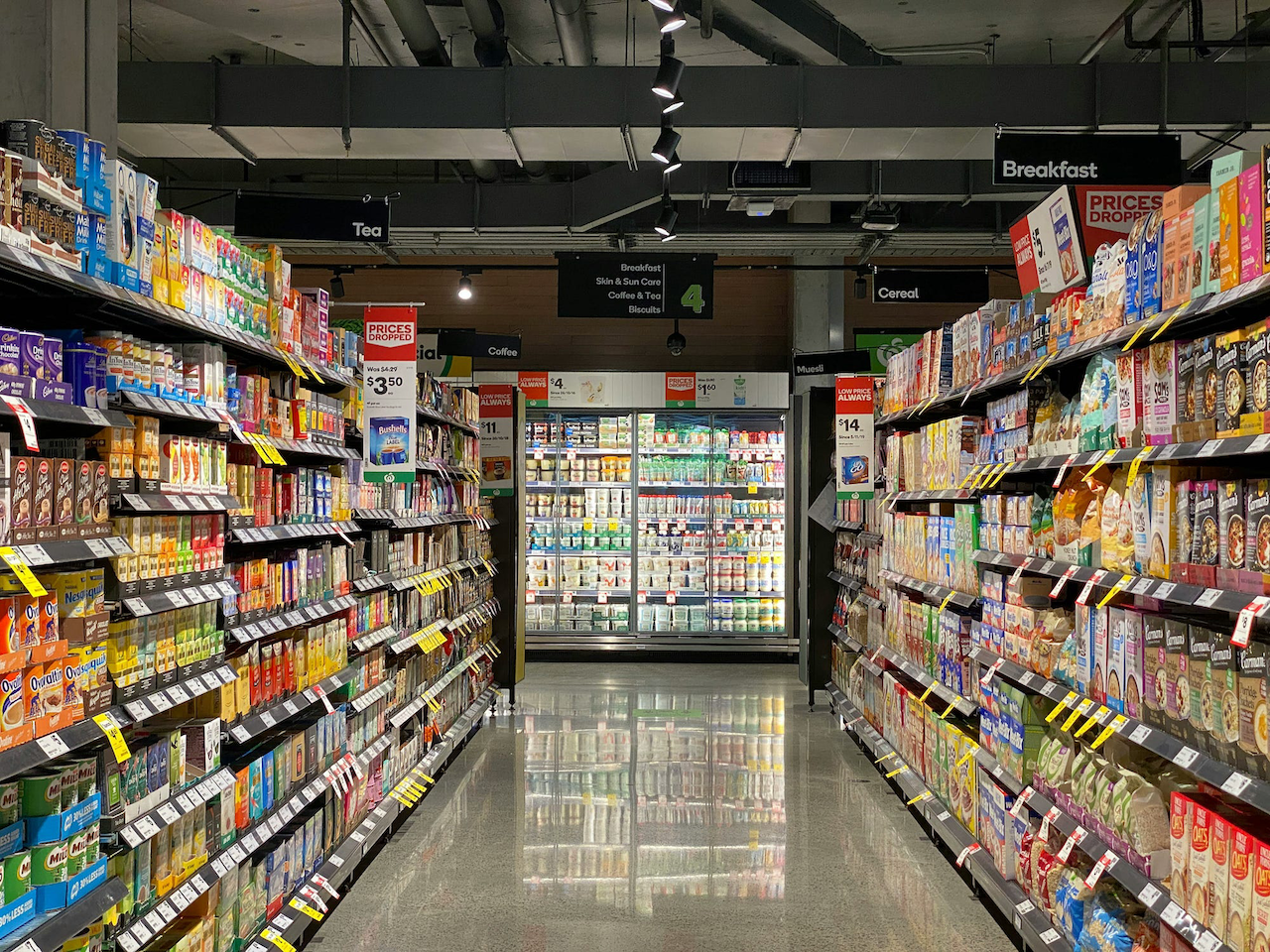
These items are ubiquitous because of their low cost to produce, eye-catching packaging, and placement at eye level or near checkouts. Is it okay to eat processed foods like these as occasional treats? Many shoppers include them for convenience, but their dominance in aisles can crowd out simpler options like plain oats or fresh fruit. Supermarket layouts reinforce this by dedicating vast space to these categories, making them hard to bypass.
Ready Meals, Beverages, and Convenience Proteins
Beyond breakfast and snacks, ultra-processed foods appear in ready meals and beverages that simplify daily routines. Frozen pizzas, ready-to-heat dinners, and microwaveable entrees—like macaroni and cheese boxes, instant noodles, or pre-prepared pasta dishes—dominate freezer sections. These combine refined carbs, sauces, cheeses, and meats processed into uniform portions with additives for texture and reheating ease.
Sugary soft drinks, energy drinks, flavored waters, and sweetened coffees or teas line beverage aisles in cans, bottles, or multipacks—formulated with carbonation, artificial flavors, colors, and preservatives for consistent taste and fizz. Instant soups and broths in packets or cups add another layer, with dehydrated ingredients, flavor enhancers, and thickeners.
Processed meats and convenience proteins include hot dogs, sausages, deli slices like ham or turkey, chicken nuggets, and reconstituted patties—often shaped, seasoned, and preserved for grilling or quick assembly. These appear in lunch meat sections or frozen aisles, packaged for sandwiches or snacks.
Plant-based alternatives, such as vegan “meats,” cheeses, or burgers, frequently fall into ultra-processed territory due to texturizers, binders, and flavorings mimicking animal products. Instant sauces, mixes, and powdered drinks round out the list, turning basic cooking into assembly with pre-measured packets.
Is it okay to eat processed foods from these categories for time-saving? They’re popular for their affordability and minimal prep, especially in fast-paced lives or limited kitchen access. However, their heavy marketing and strategic store placement—end caps, promotions, and eye-level shelves—boost visibility and sales over perishable whole items.
This abundance contributes to why processed foods often fill more carts than whole foods, particularly in areas with fewer fresh options. Our mission non-processed whole foods to help counter this everyday dominance and bring more minimally altered choices to families facing access barriers.
Donate today to support these efforts and expand availability of simpler, fresher options.