Cutting Out One Food Type:
The Power of Whole Foods
Cutting out one food type—like ultra-processed items—can highlight the power of whole foods in reshaping daily meals and shopping habits. Whole foods, such as fresh produce, whole grains, legumes, nuts, and fresh proteins, offer a straightforward foundation for home cooking and meal planning. Cutting out one food type from the ultra-processed category often reveals how versatile and accessible whole options can be when prioritized, especially through smart sourcing and preparation strategies. This shift emphasizes building meals around recognizable, minimally altered ingredients that support community-focused food systems and local economies.
Many households find that cutting out one food type opens up creative ways to use whole foods, reducing reliance on pre-packaged conveniences and encouraging more intentional grocery choices.
Versatility in Cooking and Meal Prep with Whole Foods
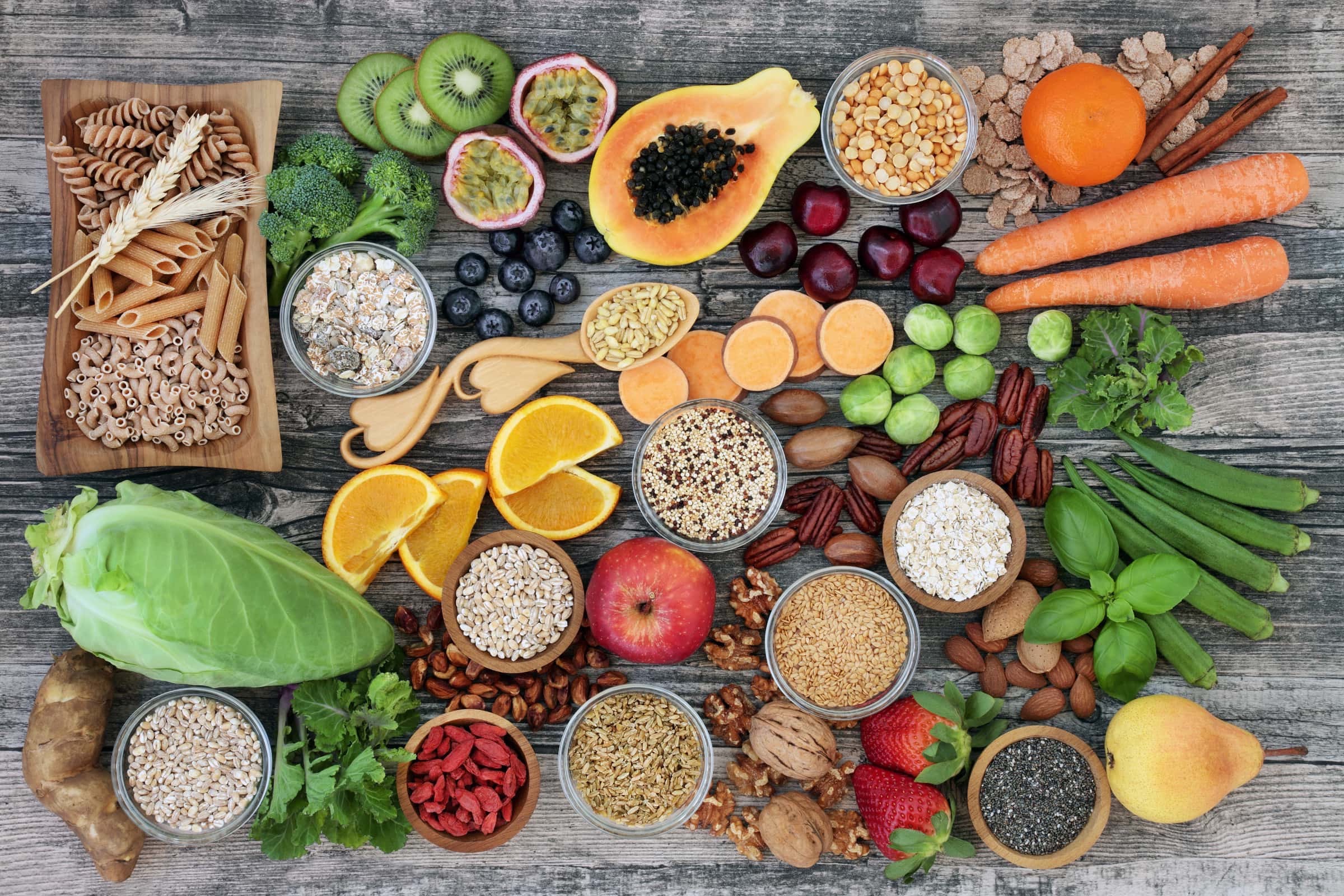
Whole foods shine in home cooking because they provide raw building blocks that adapt to countless recipes without needing artificial additives or pre-formulated mixes. For instance, a simple bag of dried beans or lentils can become the base for soups, stews, salads, or patties after soaking and boiling—offering bulk preparation that lasts several days in the fridge. Root vegetables like sweet potatoes, carrots, and beets roast easily in batches for sides, mash as toppers, or blend into purees for sauces, providing natural sweetness and texture variety.
Whole grains such as quinoa, barley, farro, or brown rice cook in large pots and store well, serving as foundations for grain bowls, pilafs, or cold salads mixed with chopped vegetables and herbs. Fresh herbs, onions, garlic, and seasonal produce add layers of flavor through basic chopping and sautéing, turning minimal ingredients into diverse meals. Nuts and seeds (almonds, sunflower seeds, chia) toast quickly for toppings or grind into butters for spreads.
Meal prep becomes efficient with whole foods: dedicate time to washing and chopping produce, cooking grains in advance, or portioning proteins like eggs or chicken for quick assembly later. This approach minimizes waste—leftover roasted veggies can top grain bowls, and extra beans can freeze for future use. Shopping lists focus on seasonal, bulk items (e.g., buying carrots or apples by the bag instead of pre-cut packs), often found at lower unit prices in larger quantities. Community-supported agriculture (CSA) shares or bulk bins at co-ops allow stocking up on staples like oats, rice, or dried fruits economically, stretching budgets further while supporting local farmers.
Affordability, Community Impact, and Practical Shopping Strategies
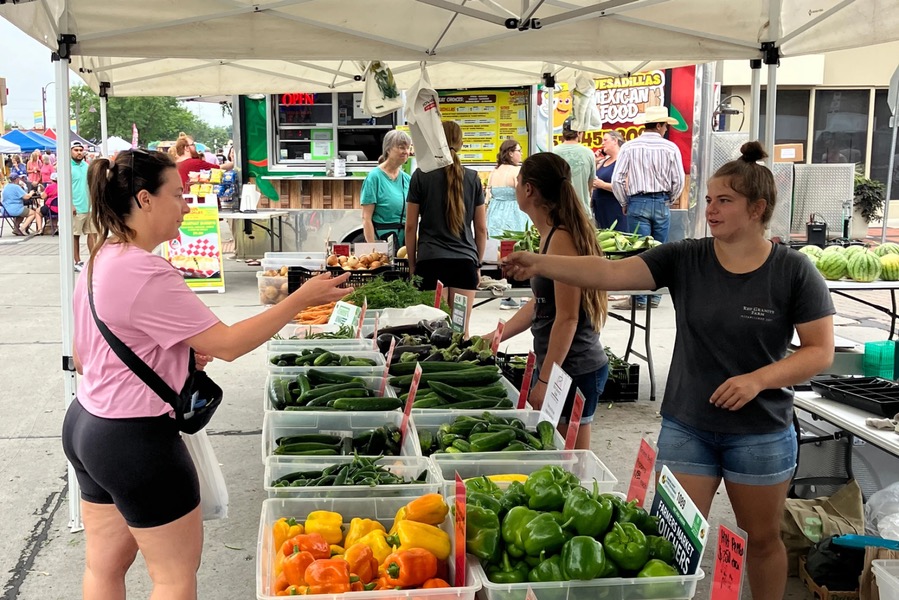
Whole foods frequently prove more cost-effective per serving when approached strategically, especially compared to the convenience markup on ultra-processed alternatives. Bulk purchases of staples—such as rice, beans, potatoes, cabbage, onions, seasonal fruits like bananas or apples, and frozen berries—yield multiple meals at fractions of packaged equivalents. Canned or dried legumes, tinned fish, eggs, and plain dairy provide affordable protein sources that store well and expand through simple additions like spices or herbs from home gardens.
Programs like farmers’ markets with incentive matching (e.g., doubling SNAP benefits for produce), community gardens, or food co-ops make whole foods more accessible in various neighborhoods. Buying in-season reduces costs—summer squash or winter root veggies often drop in price when abundant—and supports local growers who prioritize fresh, minimally handled items. Tips include planning meals around sales flyers, choosing store brands for basics, and learning preservation methods like freezing excess produce or making simple stocks from scraps to extend usability.
Cutting out one food type from the processed side can redirect spending toward these strategies, fostering greater food independence and community ties. Local markets and co-ops build relationships with producers, ensuring fresher supply chains and economic support for small-scale farming. This focus on whole foods encourages sustainable habits, like reducing packaging waste from processed items and promoting shared community resources such as bulk-buying groups or cooking classes.
This doesn't have to be an all or nothing change; starting small often least to lasting shifts in how families aproach food. Many begin by cutting out food item such as sugary beverages or packaged snacks and gradually replace those with whole food alternatives that fit seamlessly into routines. For example, swapping soda for infused water made form sliced citrus, cucumber or mint uses minimal effort while keeping hydration interesting. Similarly, trading instant flavored oatmeal for plain toast topped with fresh or frozen fruit and a sprinkly of nuts creates a customizable satisfying start to the day.
This incremental approach builds confidence in handling Whole Foods, as people discover how forgiving and adaptable they are. Batch cooking becomes habit, roasting a tray of mixed veggies once a week provides ready components for salads, stir fries or wraps!
Our mission amplifies these benefits by delivering fresh, non-processed whole foods to families in underserved areas, helping overcome access barriers and making whole-food-focused meals more feasible.
Donate today to expand these deliveries and empower more communities to experience the versatility and practicality of whole foods.