About Processed Foods: Inside Processed Foods
About processed foods, especially the ultra-processed variety, reveals a complex world of industrial formulation far removed from home cooking. These products—often NOVA Group 4 items—are built from extracted or synthesized components, combined through high-tech processes to create shelf-stable, ready-to-consume items with extended appeal and low production costs. About processed foods means looking beyond the front packaging to examine the lengthy ingredient lists, specialized machinery, and supply chain logistics that make them so dominant in modern retail. About processed foods highlights how everyday staples like snacks, beverages, and convenience meals are engineered in large-scale facilities using precise techniques and non-traditional ingredients.
The Industrial Ingredients and Additives Behind Ultra-Processed Products
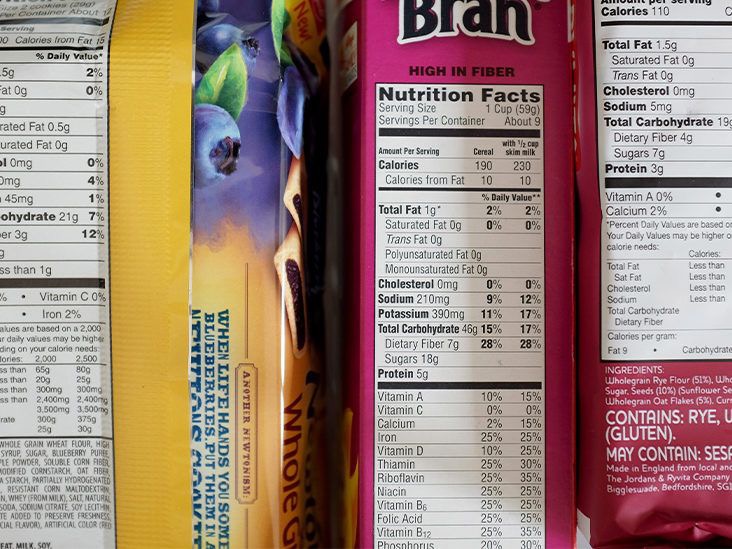
Ultra-processed foods rely on a wide array of industrial ingredients not typically stocked in home pantries. These include things like maltodextrin (a starch-derived thickener and filler), modified starches, hydrogenated or interesterified oils for texture and stability, soy lecithin as an emulsifier to blend fats and water, and various phosphates for moisture retention in meats or baked goods. Flavor enhancers such as monosodium glutamate (MSG), yeast extracts, or artificial flavor compounds replicate tastes without using whole sources. Colors like caramel coloring, annatto, or synthetic dyes provide consistent appearance, while preservatives such as sodium benzoate, potassium sorbate, or TBHQ extend shelf life by months or years.
Texturizers and stabilizers—carrageenan, guar gum, xanthan gum, or cellulose derivatives—create the desired mouthfeel, from creamy sauces to crispy coatings. Sweeteners beyond plain sugar, including high-fructose corn syrup, corn syrup solids, or intense artificial options, contribute to palatability at lower cost. Many formulations start with refined bases like corn, soy, or wheat derivatives, which are broken down, recombined, and fortified during manufacturing. Ingredient lists on packages frequently exceed 10–20 items, reflecting multi-step processing where components are sourced globally and blended in controlled environments to achieve uniformity across batches.
This complexity allows manufacturers to produce items that are lightweight, transportable, and resistant to spoilage, making them ideal for long distribution chains and global markets.
Beyond the core functional additives, ultra-processed formulations often incorporate acidity regulators like citric acid, lactic acid, or phosphoric acid to control pH levels and prevent microbial growth during storage. Anti-caking agents such as silicon dioxide or calcium silicate keep powdered mixes free-flowing in humid conditions, while anti-foaming agents like dimethylpolysiloxane minimize bubbles in beverages during high-speed filling. Bulking agents, including polydextrose or inulin derivatives, increase volume without adding significant calories from traditional sources.
Sourcing plays a major role: many of these ingredients come from large commodity processors in regions specializing in corn, soy, or palm oil derivatives, shipped in bulk tankers or rail cars to central manufacturing hubs. Global supply networks ensure year-round availability, with contracts locking in prices to shield against commodity fluctuations. Manufacturers conduct rigorous supplier audits to verify purity and compliance with food-grade standards, often requiring certificates of analysis for each shipment. Traceability systems track batches from raw material origin through final product, enabling recalls if needed. This layered ingredient ecosystem supports the creation of products that maintain identical taste, texture, and appearance regardless of production run or location.
Manufacturing Processes and Factory-Scale Production
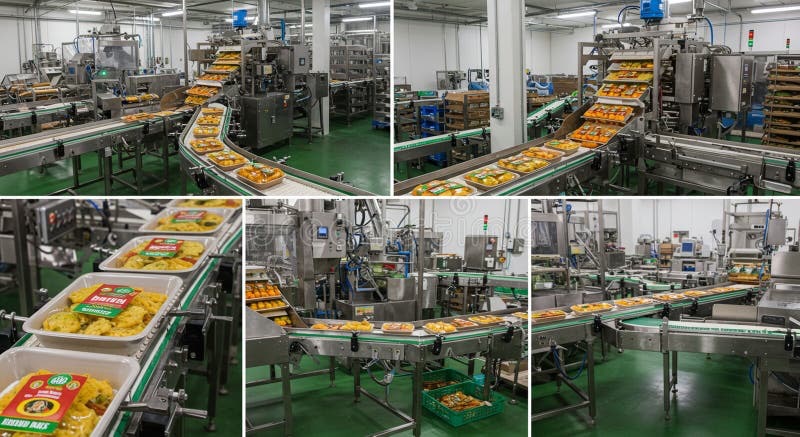
The creation of ultra-processed foods occurs in highly automated industrial facilities equipped with specialized equipment. Extrusion technology, for example, forces dough-like mixtures through dies under high pressure and heat to form shapes like puffed cereals, snacks, or textured proteins—cooking and shaping simultaneously. High-shear mixers blend viscous emulsions for sauces, spreads, or fillings, while spray-drying turns liquids into powders for instant beverages or seasoning mixes.
Conveyor systems transport materials through stages: ingredient dosing, mixing, forming, cooking/baking/frying, cooling, seasoning application (via tumblers or sprayers), and packaging. Automated lines fill, seal, and label thousands of units per hour, often in clean-room environments to meet regulatory standards. Fortification steps add vitamins, minerals, or fibers at precise points to meet labeling requirements. Packaging involves multilayer films, metallized wrappers, or cans that protect against light, oxygen, and moisture, further extending usability.
These processes enable economies of scale: raw materials are purchased in bulk from commodity markets, transformed efficiently, and distributed widely at competitive prices. Factories run 24/7 shifts to maintain output, with quality control stations monitoring weight, texture, and appearance via sensors and cameras. The end result is consistent products available year-round, regardless of seasonal or regional variations in fresh ingredients.
This underscores how these behind-the-scenes operations contribute to their market dominance, often outpacing simpler whole-food supply chains in efficiency and reach.
Quality assurance integrates automated sampling and inline sensors that measure parameters like moisture content, pH, viscosity, and color in real time, rejecting off-spec batches before packaging. Computer vision systems inspect for defects such as broken pieces, foreign objects, or improper seals at speeds exceeding 1,000 units per minute. Metal detectors and X-ray scanners remove contaminants, while weight checkers ensure accurate fill levels to meet regulatory and cost targets.
Economically, these facilities achieve low per-unit costs through vertical integration—some companies own farms or refineries for key inputs like corn syrup or vegetable oils—reducing dependency on external suppliers. Energy-efficient equipment, including heat recovery systems and automated controls, lowers operational expenses in high-volume plants. Labor is minimized via robotics for palletizing, case packing, and warehouse movement, with human oversight focused on maintenance and programming. Shift patterns run continuously to maximize throughput, often producing millions of units daily for national or international distribution.
The scale enables aggressive pricing strategies that undercut simpler alternatives, reinforcing shelf dominance in retail. About processed foods, this infrastructure explains their ubiquity: factories optimized for speed, consistency, and cost create a supply flood that whole-food channels struggle to match in volume or reach.
Our initiative counters this by delivering fresh, minimally processed whole foods directly to communities where industrial options prevail—helping restore balance in everyday access.
Donate today to support these deliveries and expand options beyond processed formulations.