Our Mission:
Addressing Hunger Through Processed Foods Awareness and Direct Relief
Our mission centers on combating the dominance of processed foods in modern food systems by raising awareness of their widespread presence and supporting direct relief efforts to provide hot meals to people suffering from food insecurity. Processed foods often crowd out more accessible, minimally altered options in stores, pantries, and aid programs, contributing to persistent access challenges for vulnerable populations. We focus on delivering nourishing hot meals—freshly prepared dishes featuring whole ingredients—to families, children, and elderly individuals facing daily uncertainty about their next meal. This work targets those most impacted, including children in households where resources are stretched thin and older adults navigating fixed incomes or mobility limitations.
By highlighting how processed foods fill shelves while fresh, home-style meals remain out of reach for many, we aim to bridge gaps through community-based programs that emphasize dignity, warmth, and reliability in hunger relief.
Providing Hot Meals to Relieve Immediate Hunger
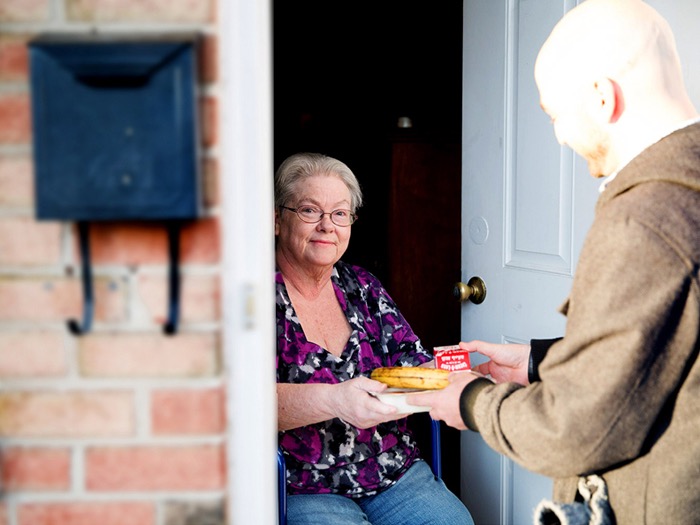
At the core of our mission is the commitment to deliver hot, ready-to-eat meals to individuals and families experiencing food insecurity across communities. These meals prepared daily are designed to offer comfort, variety, and satisfaction through balanced portions of proteins, vegetables, grains, and simple seasonings. Unlike shelf-stable processed foods that dominate convenience options, our hot meals prioritize freshly cooked elements like roasted vegetables, grilled proteins, hearty soups, and whole-grain sides, served warm to provide an immediate sense of care and normalcy.
We target vulnerable groups where hunger hits hardest: children who may otherwise rely on sporadic or less appealing options, and elderly individuals who face barriers to cooking or shopping due to physical limitations, transportation issues, or isolation. For children, consistent access to a warm meal supports participation in school, after-school activities, and family routines without the distraction of hunger. Programs often include kid-friendly formats like family-style servings or school-adjacent pickups to ensure ease and engagement.
For seniors, hot meal delivery reaches homebound or low-mobility elders through routes coordinated with senior centers, volunteers, or ride-share partnerships. Meals are portioned thoughtfully, with options for softer textures or milder flavors when needed, delivered in insulated containers to maintain temperature. This approach reduces isolation by creating regular contact points—drivers or volunteers often check in briefly, offering companionship alongside nourishment.
Our distribution model operates through pop-up sites, mobile units, and home delivery in high-need areas identified via local data and partnerships. Meals are provided free of charge, with no eligibility paperwork to lower barriers. Weekly or bi-weekly schedules build reliability, helping recipients plan around consistent support. In 2024–2025 data from sources like USDA and Feeding America, food insecurity affected around 47–48 million Americans, including over 14 million children and millions of older adults (with rates for seniors 60+ estimated at 9–12% in recent reports). These figures underscore the scale: in many regions, 1 in 5–7 children and significant portions of seniors face ongoing uncertainty.
We partner with food banks, faith-based groups, and community kitchens to source ingredients efficiently, often rescuing surplus produce or bulk staples to keep costs low while maintaining quality. Volunteer networks prepare, package, and deliver, creating community involvement that strengthens local ties. Impact tracking includes meal counts, recipient feedback, and geographic reach to refine operations—ensuring every hot meal reaches those who need it most amid processed foods’ market dominance.
Relieving Hunger Among Vulnerable Populations and Building Sustainable Relief
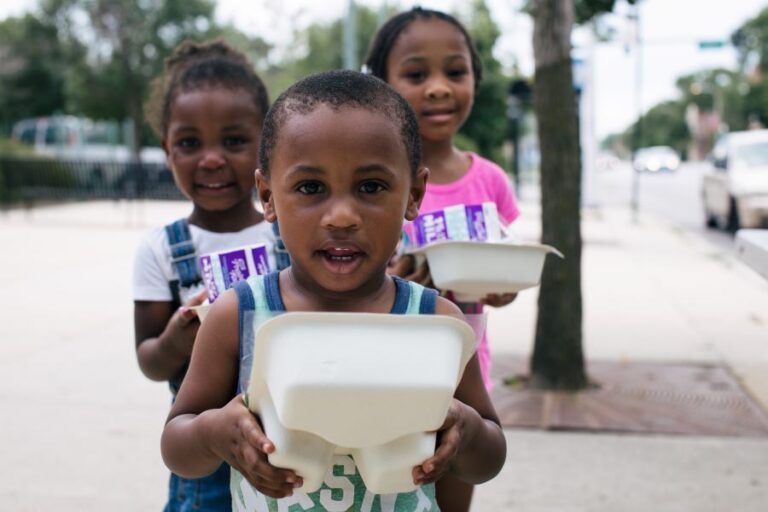
Our mission extends to long-term hunger relief by prioritizing vulnerable populations—children and the elderly—who experience disproportionate challenges in accessing reliable food. Children in food-insecure households often face inconsistent meals, which can disrupt routines, learning focus, and family stability. We address this through targeted programs like weekend meal packs, summer feeding extensions, and after-school hot meal sites, providing warm, comforting options that families can count on during non-school periods or evenings.
Elderly individuals frequently contend with fixed budgets, rising grocery costs, and physical hurdles to meal preparation. Our senior-focused initiatives include weekly hot meal deliveries, congregate dining events at community centers, and partnerships with Meals on Wheels-style networks to reach isolated elders. These efforts emphasize dignity: meals arrive promptly, presented appealingly, and include cultural or preference accommodations where possible.
Beyond immediate provision, we advocate for systemic awareness by educating on how processed foods saturate aid channels—often filling food pantries or emergency boxes with packaged items—while hot, freshly prepared meals remain rarer due to logistics and funding. We work to shift this by collaborating with policymakers, funders, and local leaders to expand hot meal infrastructure, such as subsidized community kitchens or transportation grants for delivery fleets.
Sustainability comes through diversified funding: individual donations, corporate sponsorships, grants, and events fund operations. We emphasize transparency with annual reports detailing meals served (tens of thousands annually across programs), geographic coverage, and efficiency metrics like cost-per-meal. Community engagement builds buy-in—volunteer training, donor events, and recipient stories highlight real impact.
In regions with high insecurity rates (e.g., rural counties where child rates can reach 20–50% per Feeding America estimates), our mobile units and pop-ups fill gaps left by limited infrastructure. By countering processed foods reliance in emergency aid, we promote models where hot meals become a standard response, offering warmth, nutrition, and connection. Ultimately, our mission unites awareness of processed foods challenges with actionable relief: providing hot meals today while advocating for a food system where hunger among children and elderly diminishes tomorrow.